

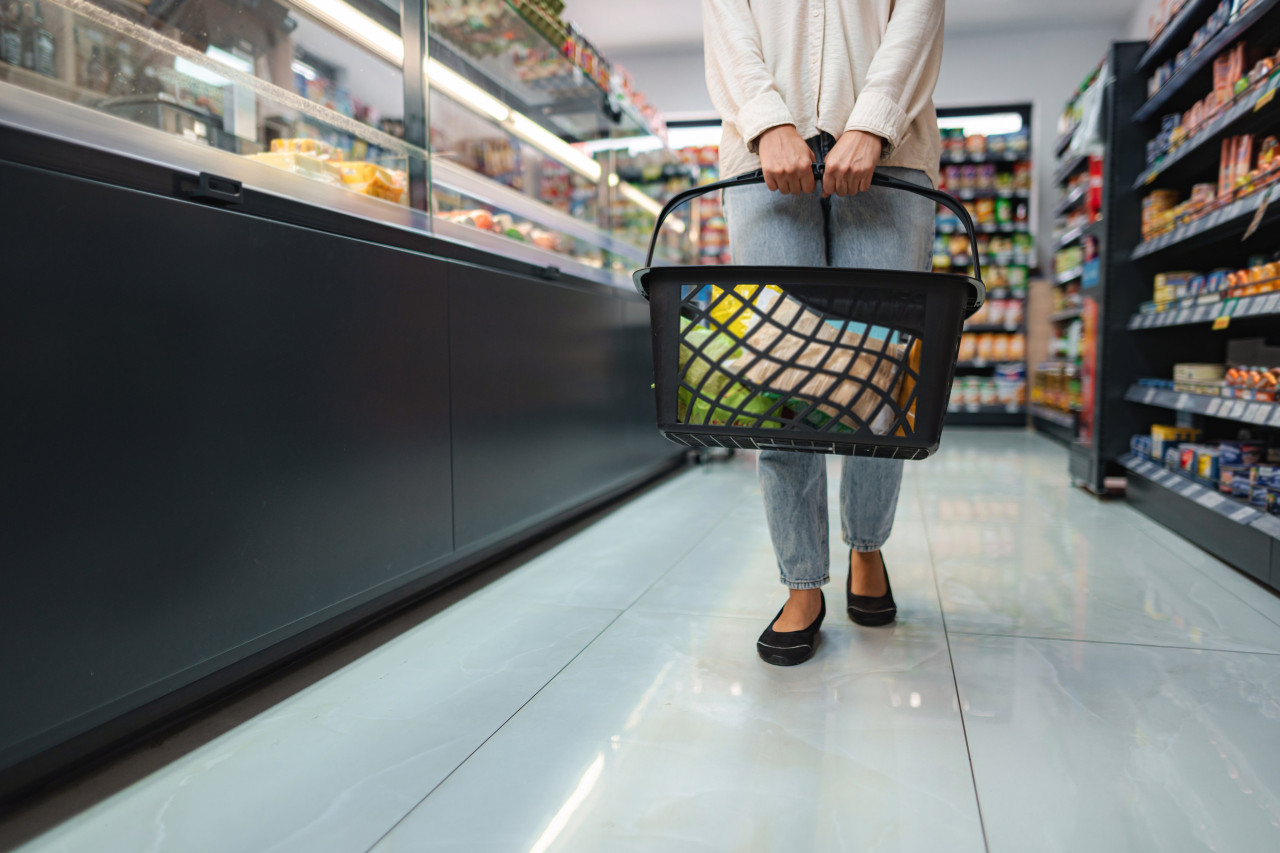
Saving money at the supermarket in 2026: strategies to combat inflation.
Going to the supermarket without planning often results in buying inflated products. Learn daily practical and real strategies that will allow you to save tens of euros every week without sacrificing quality on the table.
27 jul 2026 • 3 min


The mandatory reading of the price per liter or kilogram.
One of the biggest mistakes consumers make is only looking at the final price of the packaging. Hypermarkets use visibly larger packages that actually contain less product inside than the competing brand placed next to it.
The only way to compare prices fairly and accurately is to analyze the labels in the corner that indicate the exact price per liter or per kilogram. It is common to discover that a family-sized package actually costs more per kilo than buying three medium-sized packages on sale.
The secret of shelf positioning
The arrangement of products in the aisles follows strict marketing rules focused on profit. Products with higher financial margins for the hypermarket are invariably positioned at the exact eye level of the consumer.
To ensure the purchase of the cheapest and often better quality options (such as many white label brands), the customer should focus on shelves located closer to the ground or at the far end of the aisle.
This simple shift in perspective significantly reduces the value you pay at checkout.
Intelligent replacement of fresh with frozen products.
In 2026, fresh products such as meat, fish, and vegetables reached very restrictive prices in the Portuguese market. However, consumer defense association studies show that ultra-frozen vegetable products (such as broccoli, spinach, or soup mixes) are considerably cheaper than their equivalents displayed in the fresh section.
From a nutritional standpoint, ultra-freezing technology retains essential vitamins right after harvesting, ensuring properties equal to or superior to a fresh vegetable that has been exposed to air for several days on display. The same principle applies to purchasing fish at large commercial surfaces.
The cost of comfort in packaged foods
The hidden price in food convenience reaches alarming proportions for the wallet. Buying washed and packaged salad in plastic bags, chopped garlic in a small jar, or pre-grated carrots raises the final price of the product to higher values.
By choosing bulk or individual weight products instead of pre-packaged ones, customers save on hidden fees associated with pre-packaging. Opting for reusable glass jars for preserves (like chickpeas and beans) instead of buying cans leads to even greater savings.
Do monthly general invoices cancel out your efforts in shopping?
Strict savings at the supermarket may not be enough if the budget is suffocated by previous debts.
To obtain true clean budget margin in your current bank account, request a comprehensive analysis from the Poupança no Minuto team. By centralizing various obligations into one consolidated credit, you gain margin in your budget.
Did you enjoy reading? Share it!
Related Articles
Four out of ten customers struggle to pay their grocery bill.

3 min
Manage a family budget? Get to know the 50/30/20 savings rule.
3 min
Redeeming PPR in 2026: Guide to rules, exemptions, and taxes.
3 min
Black Friday: 3 Tips to Maximize your Savings.
4 min
Want to save on credits and insurance?
Subscribe to our newsletter and never miss any content. Learn how to have a healthier financial life.




Talk to an agent now
Want to know more? Talk to one of our agents to clarify any doubts and discover the perfect solution for you.
Call to national landline | Monday to Friday, 9am to 7pm.