

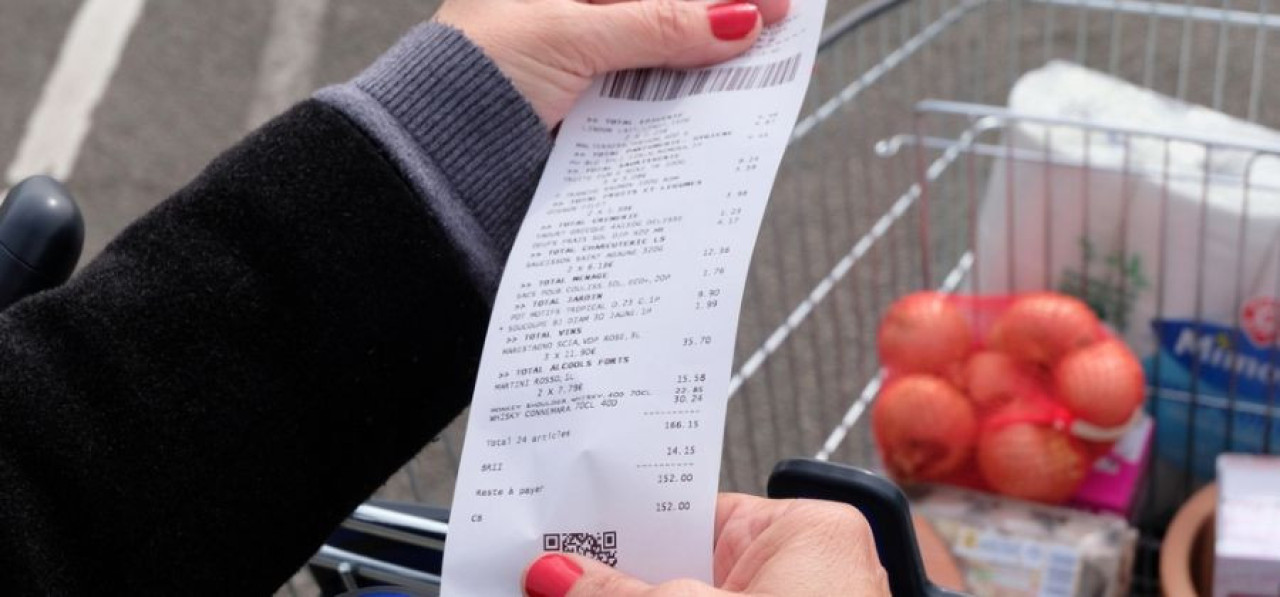
Tips to save money on your grocery bill.
Save time when going grocery shopping for the month? DECO PROteste explains some tips to reduce the bill, especially in times of inflation.
30 jan 2024 • 5 min


Savings? It's with us. Did you know that the credit intermediaries at Poupança no Minuto can help you reduce your credit or insurance payments? Talk to us and better understand or first learn about the 12 tips to save on purchases.
12 tips to help you save on your monthly grocery bill.
The one sharing it is DECO PROteste, quoted by Notícias ao Minuto, explaining that there are strategies to help you save on your supermarket bill while shopping.
The current context is sensitive, with a general increase in prices, and a basket of essential food items costing 16 euros more than a year ago.
So, pay attention to the following tips:
Make a shopping list
"It's the best way to avoid additional expenses. Think about the meals you will prepare throughout the week and resist impulse shopping;"
Take only the essential goods
"Bring only what you really need. The acquisition of essential goods in quantities exceeding supply needs (hoarding by the buyer) is a crime punishable by imprisonment of up to six months or a fine of 50 to 100 days;"
Compare prices per kilo
"At the supermarket, compare prices by kilo, liter or unit to see which brands are cheaper. Supermarket chain's own brands allow some savings, in some cases up to 30%, without compromising quality."
4. In the products you consume a lot, opt for family sizes
"Opt for family sizes, in the case of products that are consumed a lot at home and have longer expiration dates, such as coffee, breakfast cereals, and pasta, for example. According to a comparative price study, larger boxes almost always pay off. But always compare the price per kilogram or per unit, as there are cases where the small packaging is cheaper."
Prioritize fresh products.
Evaluate if there are fresh products that can be replaced by the cheaper frozen version, or vice versa. According to a study by DECO PROteste, frozen vegetables can be up to 80% cheaper than the fresh ones, as everything is used. In addition, they are practical, last longer, and are equally nutritious. On the other hand, when it comes to fish, buying it fresh is usually more cost-effective. If you want to have some extra portions on hand, buy them at the fish market and freeze them at home. Label them with the freezing date and consider the expiration date (three months for fatty fish and six for lean species).
Glass jars are cheaper than cans.
"If you usually buy preserved products, glass jars are up to 40% cheaper than cans, plus they are reusable and 100% recyclable. Still, legumes like beans and chickpeas are half the price if you buy them dried and prepare them at home. You save money and packaging, and it's healthier: they don't contain additives or the usual excess salt in canned foods. You can store them in containers in the freezer for later use."
Ready meals are more expensive.
"Ready-to-use foods, such as pre-chopped onions and garlic, sliced mushrooms, peeled nuts or shredded carrots are more expensive than whole ones. They save some time in meal preparation, but not money."
Be aware of products beyond eye level.
"Look beyond the products at eye level, where retailers often place items they are most interested in selling."
Read the brochures before &
Check the brochures to find out the promotions of the week. Milk and cereals are products often sold at a discount. Check the expiration dates and, if they are long, you can bring more than one unit to take advantage of the promotion and save. However, avoid buying more than you need.
Compare prices between supermarkets
"Research the cheapest supermarkets to compare the daily index of various distribution chains for the same product basket."
Look at the pantry and consider expiration dates if applicable.
"Look at what you have in the pantry and check the expiration dates to avoid food waste. When organizing the pantry, place the shortest deadlines in front. You should do the same when organizing the refrigerator."
12. Opt for traditional commerce.
"Traditional trade is a good option to buy fresh products, as it is possible to find cheaper items. In addition, they have a good supply of national products and, in general, are closer to home, which can also help reduce fuel expenses."
If you still want to save with other products, such as loans or insurance, talk to "Poupança no Minuto" to help you revisit the contract conditions. The service is free and can assist you in choosing a more advantageous financing or insurance proposal for you!
Did you enjoy reading? Share it!
Related Articles
Mortgage brokers - What are they and why use these services?

7 min
What should you do before buying a house?
3 min
FINE: Learn how to analyze a credit proposal
5 min
Effort rate: What is this concept and how is it calculated?
9 min
Want to save on credits and insurance?
Subscribe to our newsletter and never miss any content. Learn how to have a healthier financial life.




Talk to an agent now
Want to know more? Talk to one of our agents to clarify any doubts and discover the perfect solution for you.
Call to national landline | Monday to Friday, 9am to 7pm.